
Our Programs

Veterans (HEROES) Program

The Veterans (HEROES) Program provides confidential, comprehensive counseling and support services for Texas resident veterans, their families, and surviving spouses, offering a compassionate pathway to emotional well-being, resilience, and lasting stability. Our services are delivered by licensed clinicians with a deep understanding of military culture, including a veteran therapist who leads specialized group sessions designed to foster connection, shared understanding, and peer support in a safe and trusted environment.
Through a combination of individual, family, and group counseling, the HEROES Program addresses the unique challenges veterans face, including trauma, stress, life transitions, and relationship dynamics. Our evidence-based, trauma-informed approach ensures that every service is tailored to meet the distinctive needs of each veteran and their loved ones. With a commitment to respect, cultural competency, and the highest standards of professional care, we empower veterans and their families to navigate life’s challenges with confidence, resilience, and hope.

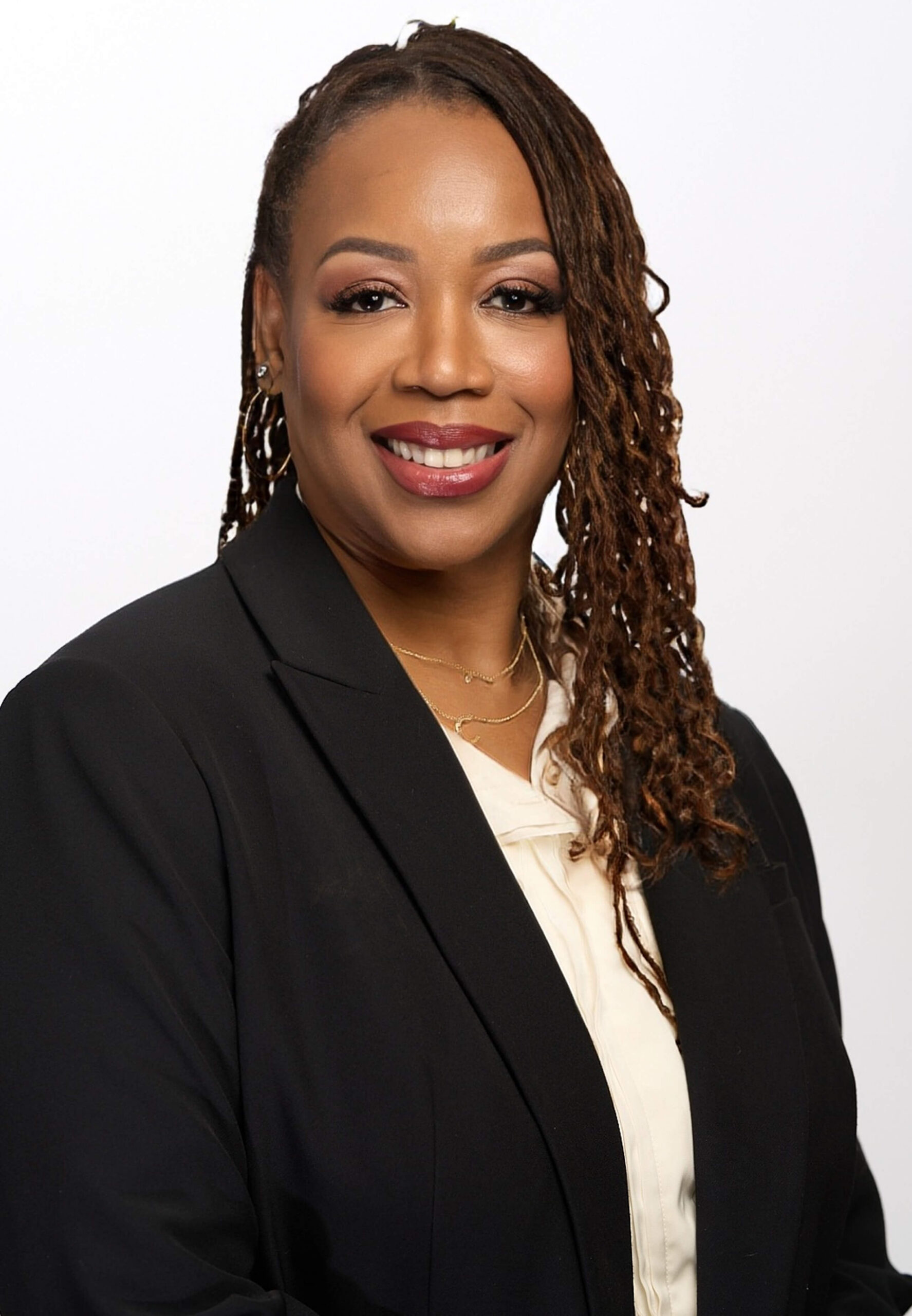
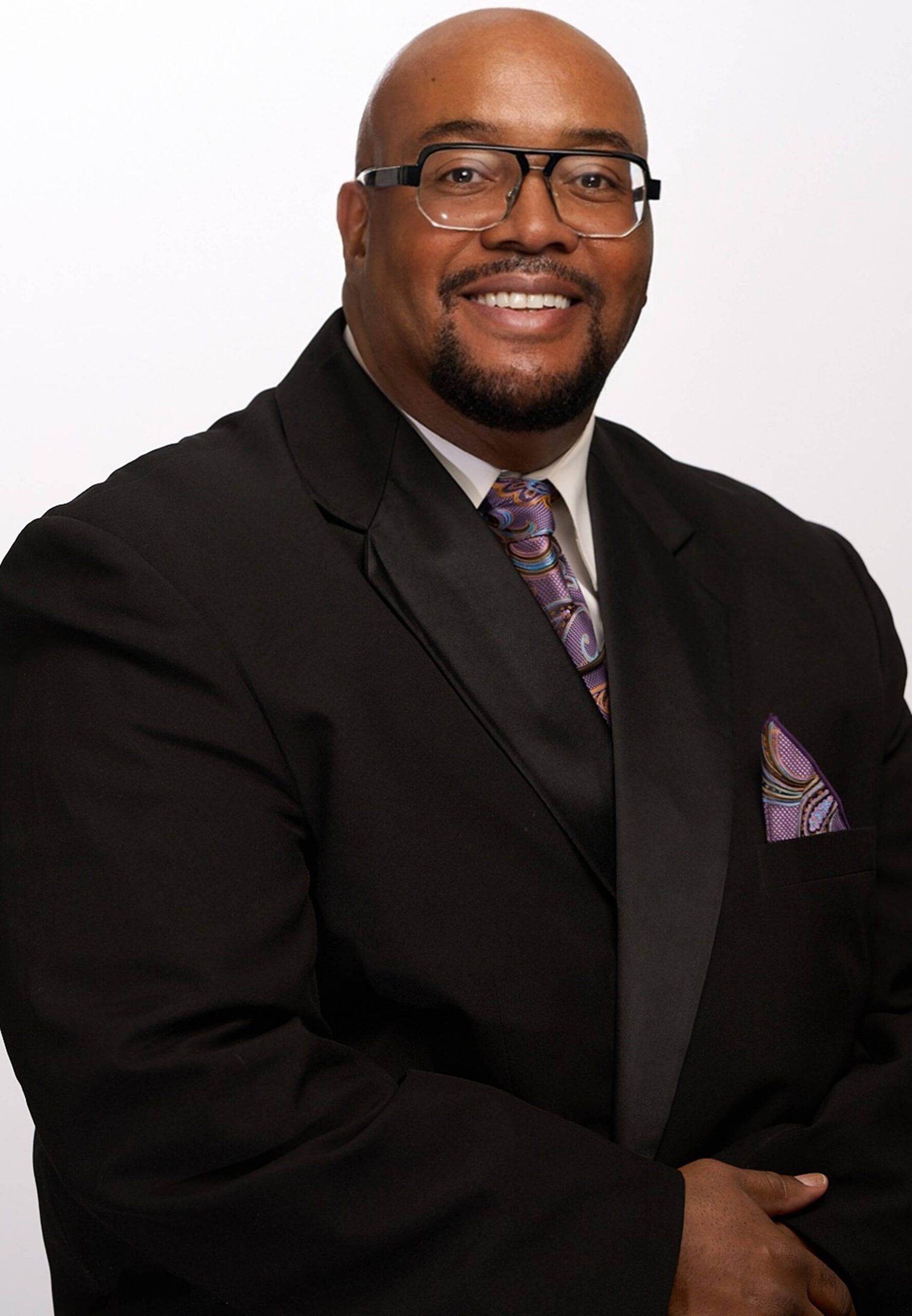
James Harris LMSW, LCDC

Director of Veterans Health

James Harris, LMSW, LCDC, is the Director of Veterans Health at the Family Service Center of Galveston County, bringing decades of experience in behavioral and mental health to the veteran community. A proud veteran himself, James combines personal insight with professional expertise to lead the Veterans HEROES Program, providing comprehensive counseling, peer support, and recovery services for veterans, their families, and surviving spouses.
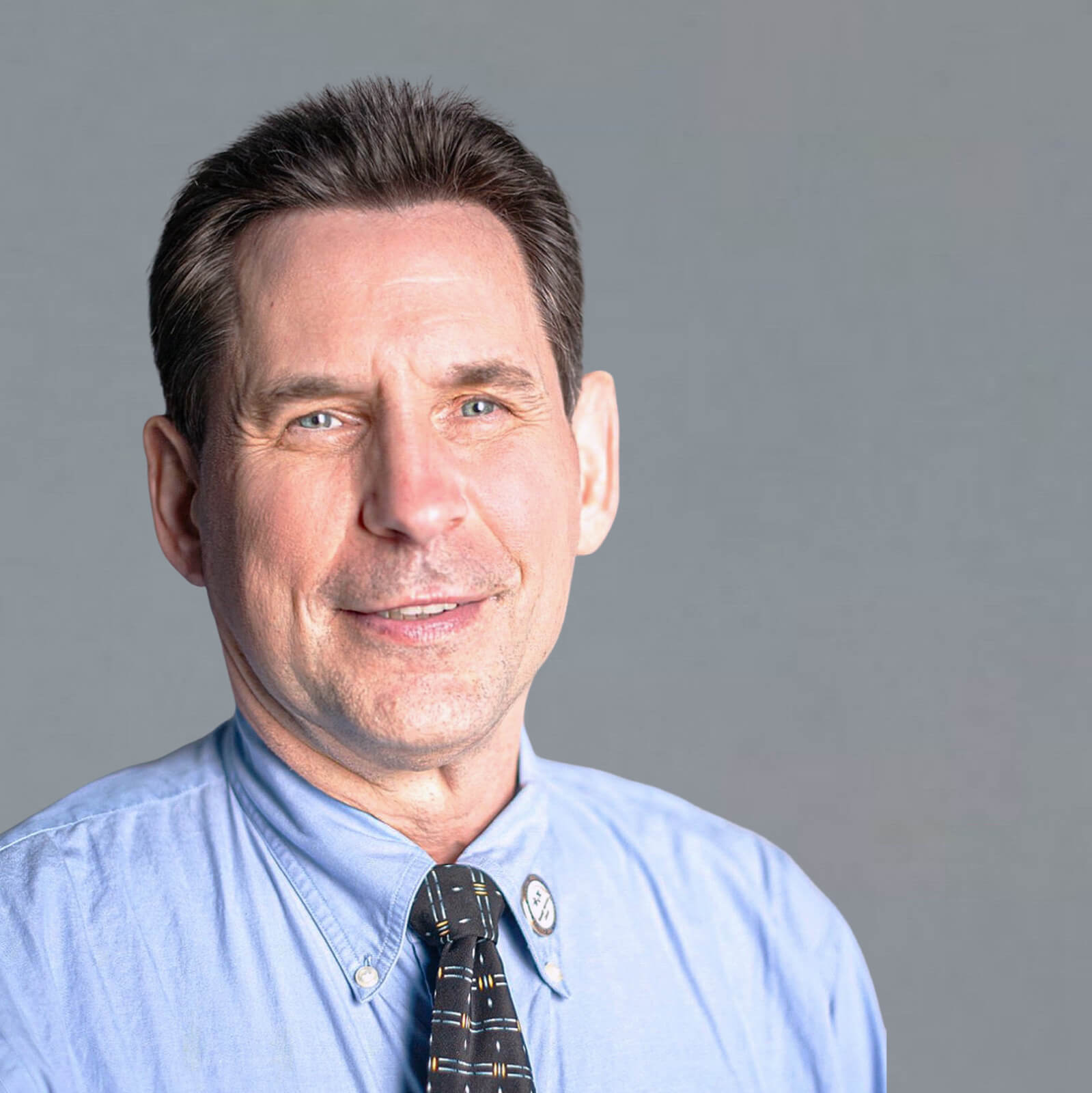
Under his leadership, the HEROES Program offers evidencebased clinical care, peer mentorship, and community-based resources to address challenges such as PTSD, mood and anxiety disorders, substance use, and transition-related stress. James’s commitment to empowering veterans is rooted in both his own service and his extensive background in mental health, social work, and counseling education, ensuring that each individual receives compassionate, culturally informed care tailored to their unique needs.

OASIS Program

Empowering Youth Through Support and Growth
The OASIS Program at the Family Service Center of Galveston is a dynamic, youth- centered initiative designed to provide comprehensive support, guidance, and skill- building opportunities for young people in the community. Unlike traditional programs that focus solely on intervention, OASIS emphasizes personal growth, resilience, and self-empowerment, helping youth navigate the unique challenges they face in today’s social, academic, and personal environments.
Through a combination of mentorship, life skills workshops, and individualized counseling, the program fosters a safe and nurturing space where youth can develop critical coping strategies, leadership skills, and healthy decision-making habits. Participants engage in structured activities that promote emotional intelligence, conflict resolution, and goal setting, equipping them with the tools needed to thrive in both school and community settings.
Additionally, OASIS provides access to academic support, recreational opportunities, and community engagement initiatives, ensuring that each young person is supported in a holistic manner. By prioritizing both mental wellness and practical skill development, the program seeks to empower youth to build confidence, resilience, and a strong sense of purpose. Ultimately, OASIS is not just a support program—it is a launchpad for personal achievement and community connection, guiding youth toward positive futures while fostering a sense of belonging and self-efficacy.

John Kubis LPC-S, LSOTP-S, NCC

Sr. Director of Project OASIS
John Kubis brings over two decades of dedicated service to the Family Service Center of Galveston, where he has been a cornerstone of the OASIS Program. Throughout his 20-year tenure, John has demonstrated an unwavering commitment to supporting the growth and well-being of youth, combining his deep experience with innovative approaches tailored to the evolving needs of the community.
Within the OASIS Program, John has been instrumental in creating meaningful, individualized experiences for young participants, guiding them through challenges while helping them discover their strengths and potential. His work integrates mentorship, practical life skill development, and emotional guidance, fostering a safe and empowering environment where youth can build resilience, confidence, and self- awareness.
John’s approach is distinguished by his ability to connect personally with each participant, understanding their unique circumstances and providing support that balances compassion with structured skill-building. Over the years, he has led countless workshops, group sessions, and community engagement initiatives, ensuring that the OASIS Program not only addresses immediate challenges but also equips youth with long-term strategies for success.
Respected by colleagues and families alike, John Kubis exemplifies dedication, expertise, and leadership, making him an invaluable part of the OASIS Program’s mission to guide youth toward positive, empowered futures.

Juvenile Justice Center (JJC) Program

The Juvenile Justice Center (JJC) Program, directed by Bridgett Farrell, is a groundbreaking initiative designed to transform the way youth in the juvenile justice system receive support. Unlike traditional approaches that focus solely on supervision or containment, the JJC Program integrates mental health, behavioral therapy, education, and family engagement into a unified, individualized care model. By addressing the root causes of behavioral challenges and prioritizing trauma-informed care, the program empowers youth to develop essential life skills, emotional resilience, and the ability to make positive choices for their future.

At the heart of the JJC Program is a personalized approach: each participant undergoes a comprehensive assessment that identifies mental health needs, strengths, and environmental risk factors. This allows therapists and case managers to design a tailored intervention plan that combines evidence-based therapies, including Cognitive Behavioral Therapy (CBT), trauma-focused modalities, and social-emotional learning—with educational and vocational support. Youth benefit not only from individual and group therapy but also from structured skill-building programs that foster leadership, communication, and conflict resolution abilities.

Family involvement is another cornerstone of the program. Caregivers participate in counseling, training, and support services, equipping families to reinforce positive behaviors and maintain a nurturing environment. The program’s commitment to community reintegration ensures that youth have access to mentorship, educational resources, and ongoing case management, reducing recidivism and supporting long- term stability.

By blending therapeutic innovation, family engagement, and skill development, the JJC Program goes beyond standard juvenile justice interventions. It creates a transformative experience that guides youth toward personal growth, accountability, and sustainable success, preparing them to thrive both inside and outside the justice system.


Bridgett Farrell MS, LPC

Director of Juvenile Justice Therapist
Bridgett Farrell is a seasoned mental health professional with extensive experience in juvenile justice, specializing in guiding at-risk youth through transformative therapeutic interventions. As Director of Juvenile Justice Therapy, she combines clinical expertise with strategic leadership to develop and implement innovative programs that address the complex behavioral, emotional, and social needs of youth within the justice system. Beyond direct therapy, she emphasizes family collaboration, working closely with caregivers to strengthen supportive networks and promote sustainable behavioral change. Her leadership extends to mentoring interdisciplinary teams, ensuring that services are coordinated, progressive, and outcome focused. Her work stands out in the field for prioritizing long-term well-being, not just short-term intervention, and for creating programs that are innovative, measurable, and transformative.

Victims Of Crime Support (VOCA)

The Victims of Crime Support (VOCA) Program provides comprehensive, trauma- informed mental health services for individuals who have been impacted by crime, prioritizing safety, dignity, and emotional recovery. Through compassionate, client- centered care, licensed professionals support survivors as they process trauma, manage emotional distress, and regain a sense of control and stability in their lives. Services are tailored to each individual’s experiences and may include counseling, psychoeducation, and coping-skills development designed to address both immediate and long-term effects of trauma. The program emphasizes empowerment, resilience, and healing, helping survivors rebuild trust, strengthen emotional well-being, and move forward with confidence and renewed hope.

Cshala Davis M.S., LPC, LCDCI, NCC

Director of Victim Support Services
Cshala is a licensed mental health professional based in Texas, known for her work supporting survivors of trauma, especially through clinical roles tied to victim‑focused programs. She serves as Director of Victim Support Services at the Family Service Center of Galveston County, where she provides leadership and clinical direction to programs that assist individuals impacted by crime and trauma. In addition to her director role, she works as a Victim of Crime Act (VOCA) Therapist and has provided trauma‑informed counseling for survivors of domestic violence, sexual trauma, combat‑related stress, and related conditions. Her clinical approach integrates evidence‑based practices such as EMDR, Trauma‑Focused Cognitive Behavioral Therapy, and Cognitive Processing Therapy, creating safe, healing‑oriented therapeutic environments. Cshala’s background includes work as a trauma and holistic mental health therapist — in both community and individual therapy contexts — including serving veterans and individuals with PTSD, anxiety, and other stress‑related symptoms.

Family & Youth Success(FAYS)

The Family & Youth Success (FAYS) Program provides comprehensive, family-centered support for children ages 5–17 and their families, helping them navigate everyday challenges while strengthening relationships and overall well-being. Through individualized guidance, education, and evidence-based skill-building, families gain practical tools to improve communication, manage behavior, resolve conflict, and support healthy emotional development. Services are designed to empower both parents and youth by fostering positive decision-making, accountability, and resilience in the home and community. By addressing challenges early and promoting collaboration within the family unit, the program supports long-term stability, personal growth, and positive outcomes for children, parents, and caregivers alike.

Prevention Team

The Mental Health Prevention Team at Family Service Center plays a vital role in promoting emotional wellness, early intervention, and community awareness. This team focuses on proactive, preventative mental health education designed to reduce stigma, increase access to services, and strengthen protective factors across the communities we serve.
The Prevention Team actively engages with schools, community organizations, faith- based groups, healthcare partners, and local agencies by providing outreach, presentations, and group-based programming. Through workshops, educational sessions, and resource fairs, the team delivers evidence-informed content on topics such as stress management, emotional regulation, trauma awareness, substance use prevention, family strengthening, and overall mental wellness. These efforts are tailored to meet the unique needs of diverse populations, including children, adolescents, adults, families, and underserved communities.
In addition to education and outreach, the Prevention Team serves as a bridge between the community and Family Service Center’s full continuum of care. Team members help identify individuals who may benefit from additional support and connect them to appropriate programs and services within the organization, including counseling, crisis intervention, case management, and supportive resources. By building strong community relationships and increasing visibility of available services, the team helps ensure timely access to care before concerns escalate into crises.

SMART Program

Supporting Mental Health And Resiliency in Texas
The SMART (Supporting Mental Health And Resiliency in Texas) Innovations and Prevention Program is designed to strengthen community mental health through proactive, data-driven strategies that emphasize early identification, prevention, and timely intervention. By integrating research-based, evidence-informed practices with innovative technology, the program helps identify individuals who may be at risk and connects them to appropriate mental health resources before concerns escalate into crisis-level needs. This approach reduces reliance on emergency and intensive services while promoting more effective, preventive care.
With a strong focus on underserved and vulnerable populations, the SMART Program works to eliminate barriers to access by offering scalable, personalized support that meets individuals and families where they are. Through coordinated screening, outreach, and referral processes, the program fosters resilience, improves continuity of care, and supports long-term emotional well-being. By prioritizing prevention, accessibility, and innovation, SMART helps communities build sustainable mental health systems that promote stability, recovery, and overall wellness.

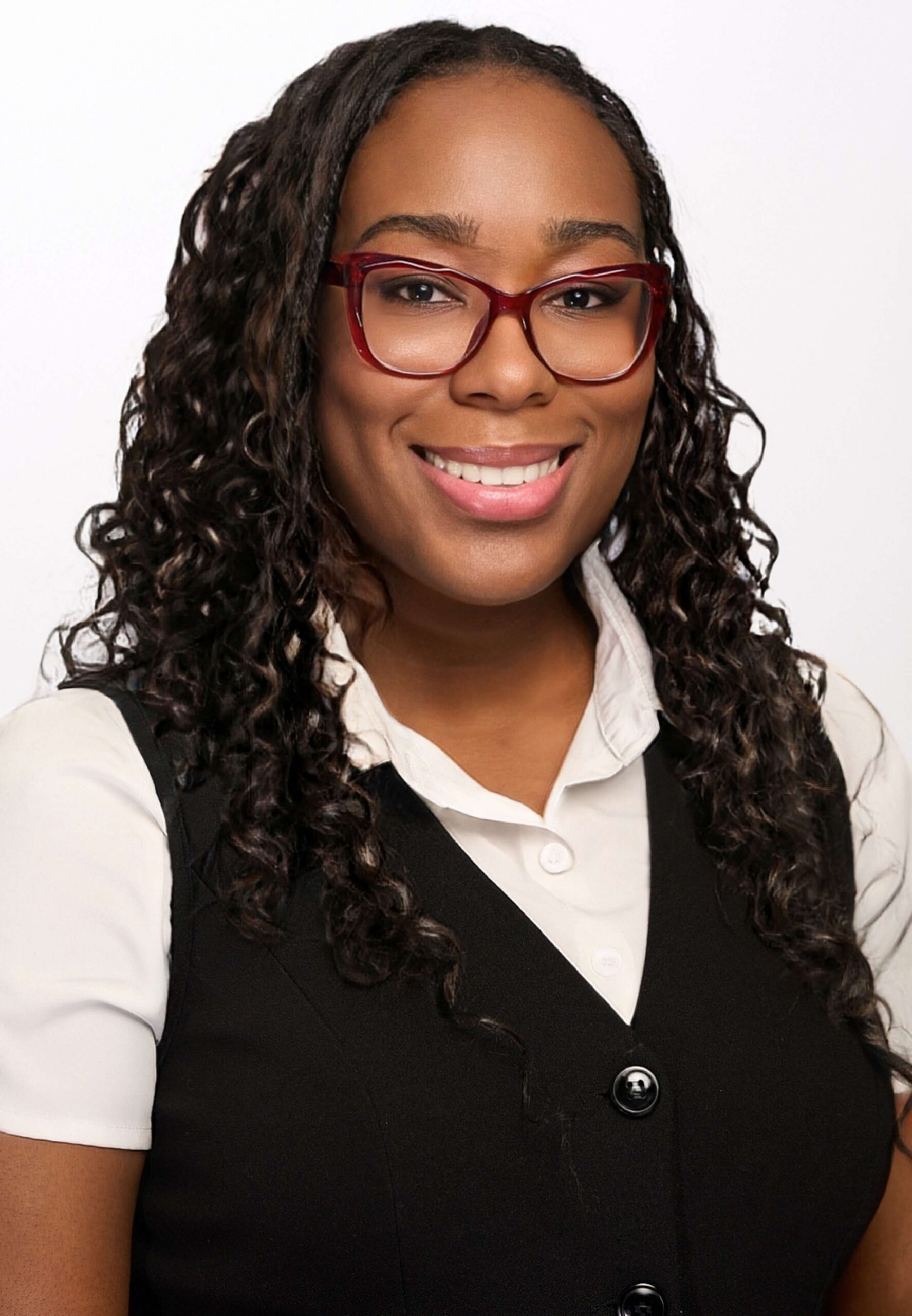
Khalia Hardwell M.Ed, LPC

Sr. Director of FAYS Program Administration
Khalia Hardwell oversees the strategic leadership and operational management of the Family and Youth Services (FAYS), SMART Innovations, and Mental Health Prevention programs. She ensures that all initiatives are delivered efficiently, effectively, and in alignment with the organization’s mission to promote wellness and resilience in the community.
In her role, Khalia provides high-level supervision, guiding program staff, including the Prevention Team, to implement data-driven, research-informed interventions. She manages program development, evaluates outcomes, and fosters cross-team collaboration to ensure integrated services that meet the diverse needs of children, families, and individuals. Additionally, she directs outreach and community engagement efforts, strengthens partnerships with local stakeholders, and ensures compliance with funding, regulatory, and organizational standards.
Through her leadership, Khalia enhances program impact, promotes innovation in mental health services, and ensures accessible, preventive care is available to the community before crises arise.

Family Planning

Our Family Planning and Parenthood Support services are designed to guide individuals, couples, and families through the emotional and practical aspects of starting and growing a family. We provide compassionate counseling for those facing fertility challenges, preparing for pregnancy, or navigating the early stages of parenthood. Our focus is on supporting clients through the emotional highs and lows of this journey, helping them build resilience, confidence, and strong family connections.
We specialize in trauma-informed care for families who have experienced permanent placement adoption, recognizing the distinct emotional needs that arise in these situations. In addition, our parenthood support groups foster connection, learning, and encouragement, creating a welcoming space where parents and caregivers can share experiences and gain practical insights.
Our team collaborates with community partners, healthcare providers, and social resources to offer a comprehensive, holistic approach. By integrating therapeutic guidance with real-world support, we help families navigate transitions, overcome barriers, and thrive throughout their parenthood journey.

Permanent Placement Family and Mental Health Support

(Heart Galleries)
The Heart Galleries of Texas Grant directly aligns with the mission of Family Service Center of Galveston County (FSC) by strengthening families, promoting stability, and supporting the long-term well-being of children and caregivers within our community. FSC’s mission centers on providing comprehensive, trauma-informed services that empower individuals and families to overcome challenges, heal from adversity, and achieve lasting stability. Through the Heart Galleries of Texas grant, FSC is able to expand post-adoption and post-permanency support services for children and families who have experienced foster care, adoption, or permanency transitions—populations that often face complex emotional, behavioral, and relational needs. The grant supports FSC’s commitment to:
By utilizing the Heart Galleries of Texas grant, FSC advances its mission to strengthen families and promote healthy, resilient communities while directly addressing the needs of children and families impacted by the child welfare system. The grant allows FSC to provide targeted, evidence-based supports that help families thrive beyond adoption or permanency, ensuring that stability is not only achieved, but maintained.

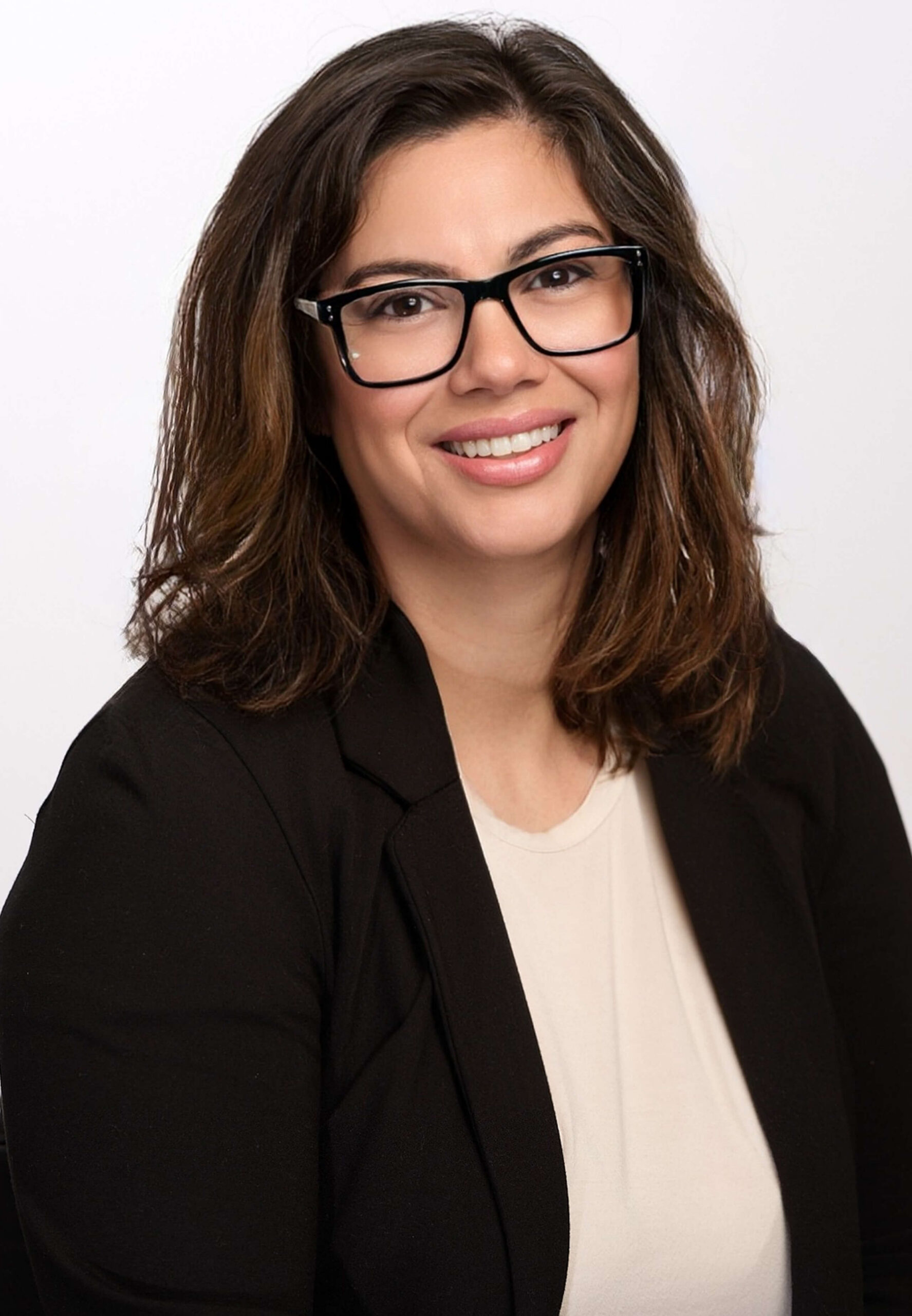
Jennifer Hester LPC

Manager of Clinical Prevention Services
Jennifer is a compassionate and experienced Licensed Professional Counselor (LPC) dedicated to supporting individuals, couples, and families through life’s transitions and challenges. She specializes in providing personalized, evidence-based counseling services that address emotional well-being, relationship dynamics, and mental health needs.
Jennifer’s approach is client-centered and trauma-informed, creating a safe and welcoming environment where clients can explore their experiences, develop coping strategies, and achieve meaningful growth. She partners with each client to build resilience, strengthen relationships, and navigate life’s complexities with confidence.
Whether you are seeking support for family planning, parenthood challenges, adoption- related transitions, or personal growth, Jennifer is committed to guiding you with expertise, empathy, and practical tools for lasting change.

Integrated Care Services
(St. Vincents House)

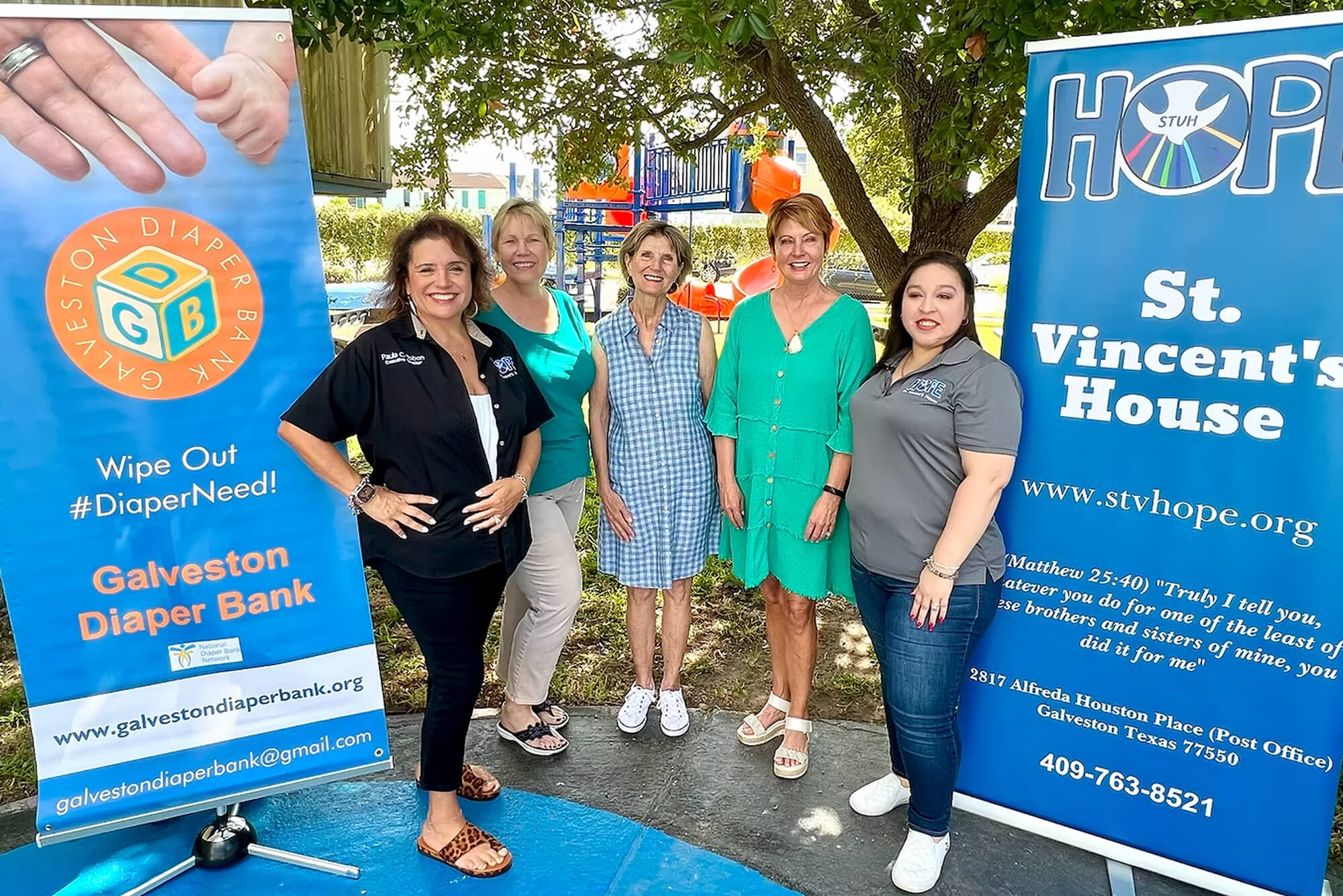
St. Vincent’s House is a faith-based nonprofit in Galveston County dedicated to helping individuals and families achieve stability, health, and self-sufficiency. It operates under a holistic, integrated care model, addressing not just mental health but also social, medical, and practical needs such as housing, food security, and transportation.
For mental health, St. Vincent’s House partners with the Family Service Center of Galveston County to provide licensed counseling services on-site. These services include individual therapy, family and couples counseling, and support groups, and they address issues such as anxiety, depression, trauma, grief, relationship conflicts, and life transitions. Services are accessible to people of all ages, often available in English and Spanish, and may be offered in-person, via telehealth, or by phone, with a sliding fee scale for those without insurance.
The organization emphasizes that mental health is interconnected with overall well- being, so counseling is coordinated with other supportive services, including primary care, case management, and emergency aid. This approach ensures that clients receive comprehensive support addressing both emotional needs and the underlying social stressors that affect mental health.

Individual & Family(I&F)

The Individual & Family Counseling Program at the Family Service Center (FSC) offers compassionate, trauma‑informed, and strength-based mental health services designed to support individuals, couples, and families through a wide range of life challenges. Grounded in evidence‑based practices, our experienced clinicians work collaboratively with clients to understand their unique circumstances, build resilience, and foster lasting emotional and relational well‑being.
FSC provides counseling services in both Galveston and Texas City, with flexible options including in‑office sessions and virtual telehealth appointments to accommodate diverse needs and schedules. Services are accessible to community members regardless of financial circumstances — through a sliding fee scale, major insurance plans, Medicaid, and Employee Assistance Programs (EAP) ensuring that cost is not a barrier to care.
Our clinicians — licensed therapists trained in trauma‑responsive care — build supportive therapeutic partnerships with clients that emphasize understanding, empowerment, and measurable progress. Whether working with individuals, couples, or entire families, FSC counselors use a strength-based framework that honors each person’s experience and potential for growth.

Make an Appointment

Please enable JavaScript in your browser to complete this form.
Step 1 of 2

Request an Appointment

If you are ready to make an appointment, select a button on the right. If you have questions about FSC Galveston appointment process, our information page may be the best place to start.